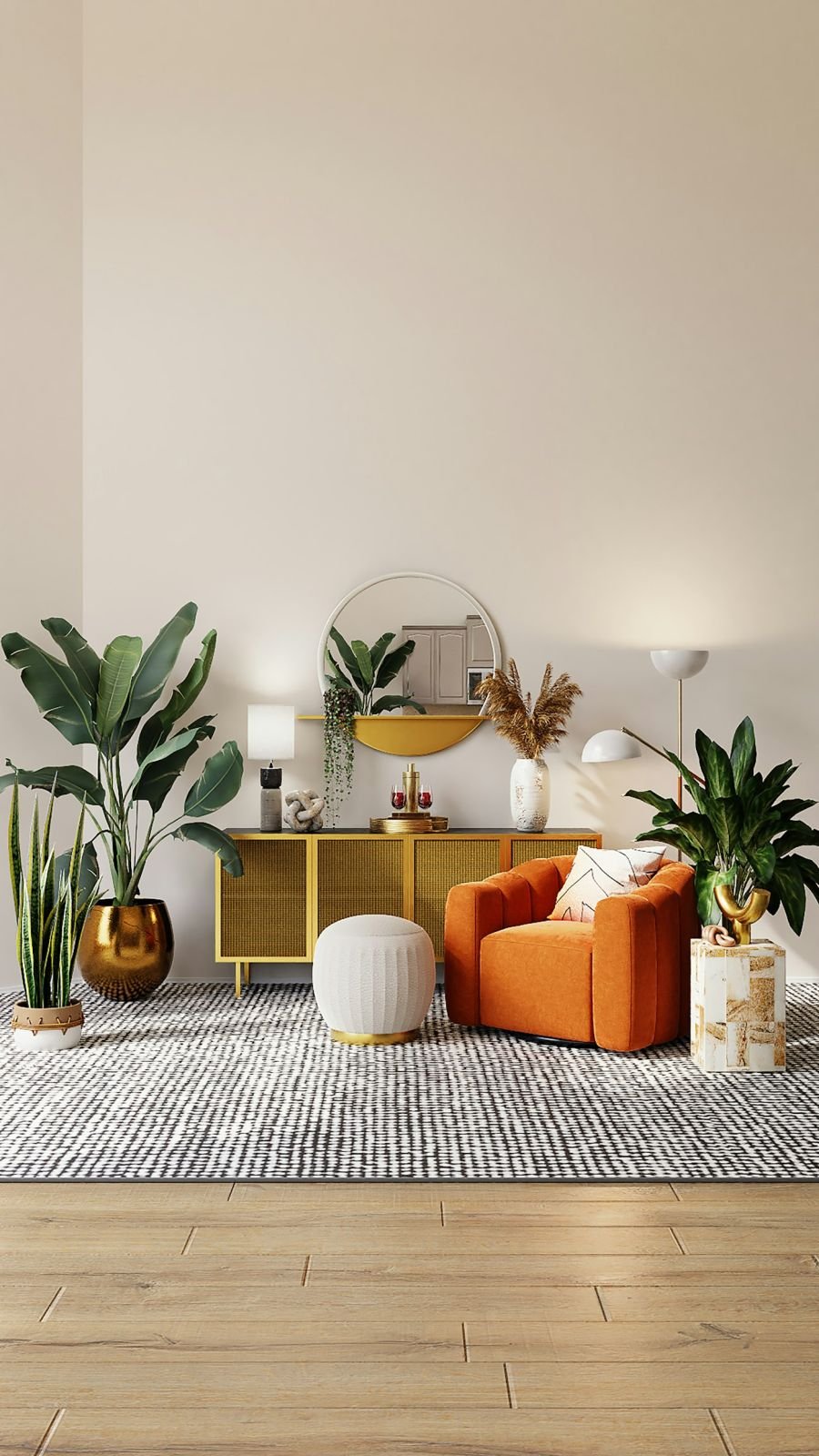
Kilim or rug? Differences and where to use them
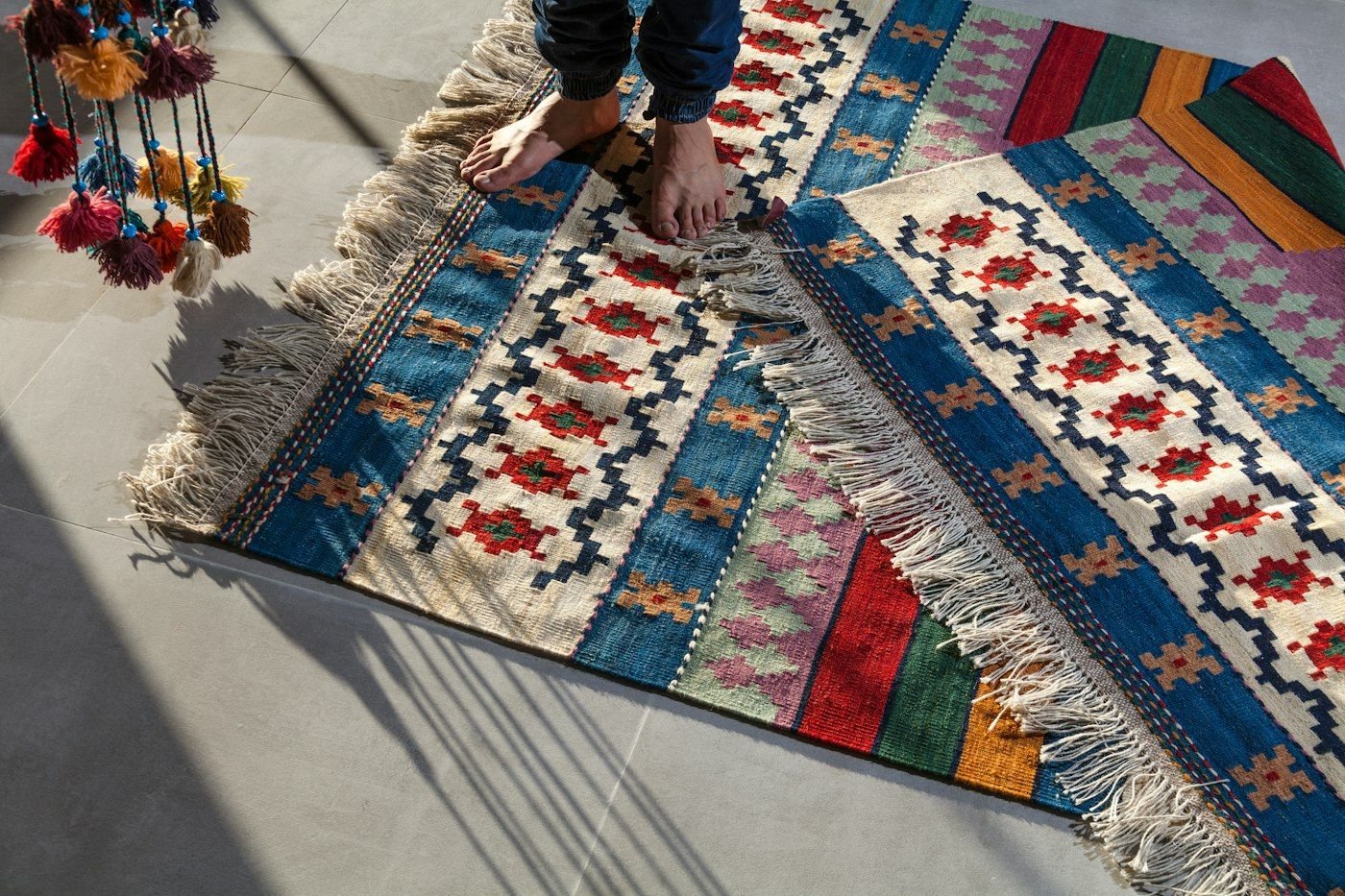
Kilim and rug are often used to mean the same thing, but they are made in different ways. You can feel the difference directly in everyday use.
The key difference: pile
In a rug, the yarns are knotted to form a pile on the surface. In a kilim, the weft and warp threads interlace to give a flat surface. That is why a kilim is thinner.
Advantages of a kilim
- Thin profile: it does not catch under doors, and doors open freely.
- Reversible: most kilims can be turned over and used on both sides.
- Easy to carry and fold, practical for seasonal changes.
- Its traditional patterns create a lovely contrast with modern furniture.
Advantages of a rug
- Softness and warmth underfoot.
- Sound insulation: it makes a difference, especially in apartments.
- A fuller, more substantial look thanks to the pile.
Which one where?
In passage areas such as hallways, kitchens, balconies and studies, a kilim is practical. If you want softness in the living room and bedroom, a pile rug is more comfortable. By the bed, a thin kilim is an alternative that still keeps your feet warm.
Care
A kilim is easy to shake out thanks to its flat surface. With a pile rug, regular vacuuming matters more; see our care article for details.
Browse our kilim designs; for kilims we also offer a custom size option where you set the width and length yourself.
Need help choosing a size or model?
Send us a photo and the measurements of your room, and we will find the right options together.